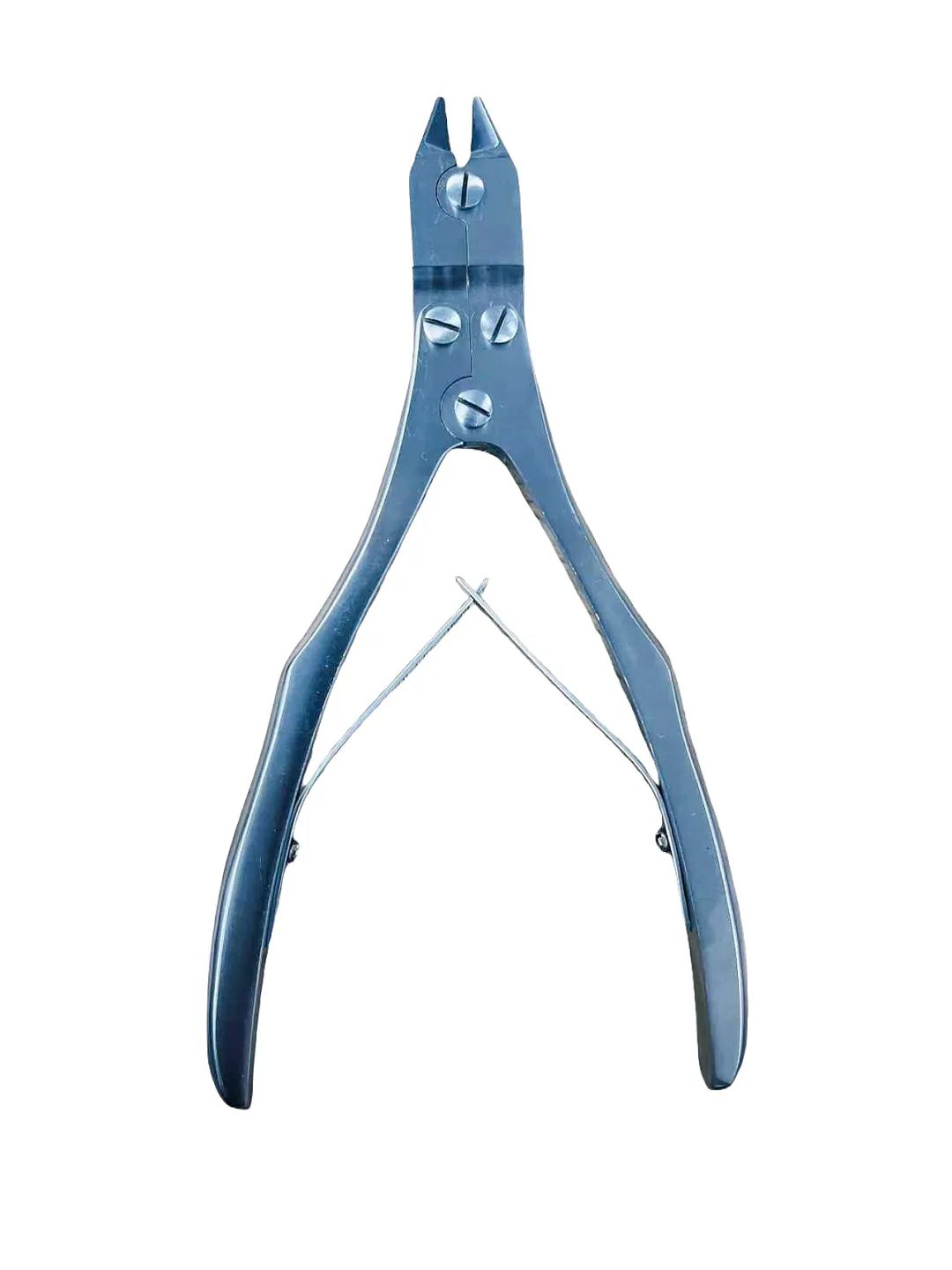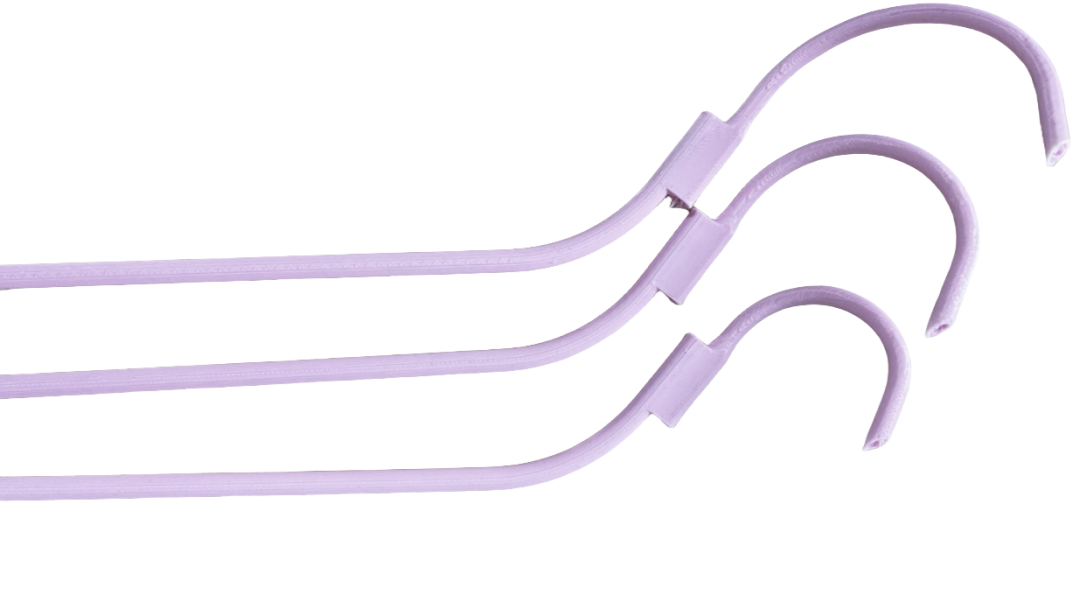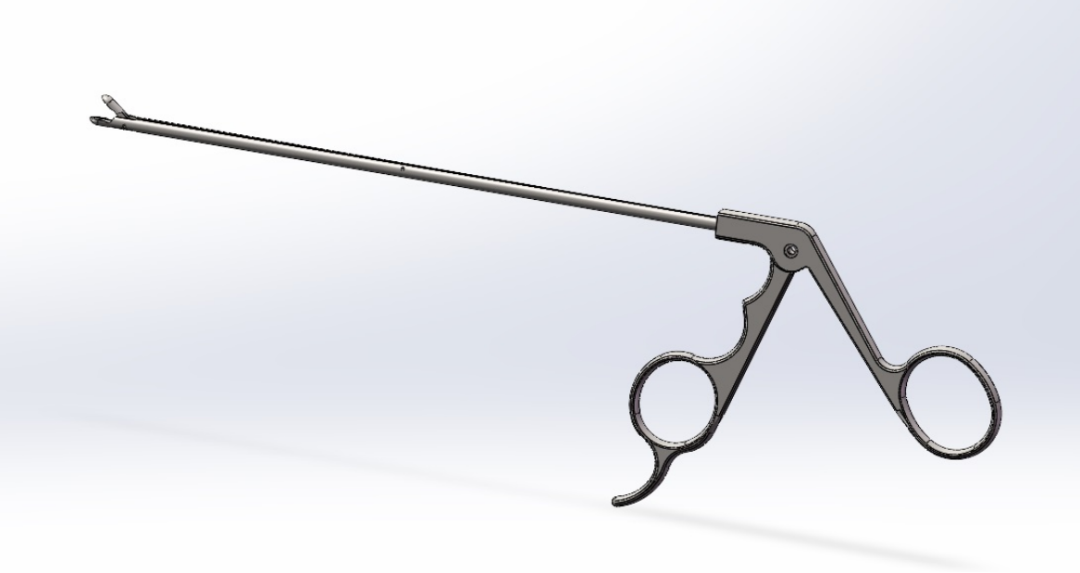
In the validation of instrument structure and form, SHINVA has introduced 3D printing rapid prototyping technology, creating an efficient design validation loop. Compared to traditional manufacturing processes, this approach significantly reduces the time and cost associated with product design and verification, greatly improving R&D efficiency.
In terms of tackling core technological challenges, SHINVA utilizes digital design tools such as 3D modeling and motion simulation to overcome bottlenecks in instrument connection accuracy and control performance. These advancements address the common issue of "free motion" (non-functional stroke) found in similar instruments, resulting in a substantial improvement in tactile feedback and precision control.